A Roman City on the Edge of the Empire
Volubilis sits in fertile farmland near the base of the Zerhoun mountains, roughly midway between Fes and Meknes. Settled from around the 3rd century BC, it grew into a prosperous Roman city from the 1st century AD, serving as the administrative capital of the province of Mauretania Tingitana — the empire's western frontier in North Africa. Olive oil, grain, and wild animals for the Roman arenas were among its major exports, and the wealth this trade generated is visible in the size and detail of the villas that once stood here.
What Survives Today
Volubilis is unusually well preserved for a site its age, largely because it was never built over after being abandoned in the late 3rd century. A partially reconstructed triumphal arch, dedicated to the Roman emperor Caracalla, still frames the site's main street, the Decumanus Maximus. Dozens of freestanding columns mark where the basilica and forum once stood, and — most striking of all — numerous mosaic floors remain in place in situ, depicting scenes from Roman mythology: the labors of Hercules, Dionysus, and Orpheus among them, remarkably intact after roughly two thousand years.
UNESCO Recognition
Volubilis was named a UNESCO World Heritage Site in 1997, recognized as an exceptionally well-preserved example of a Roman colonial town on the fringes of the empire, later reoccupied through the early Islamic period before being finally abandoned. Excavations have continued at the site since the early 20th century, and much of what has been uncovered — including its impressive collection of mosaics — remains on view where it was originally found, rather than removed to a museum.
Visiting Volubilis: What to Expect
The site is largely open-air and unshaded, so a morning or late-afternoon visit is more comfortable than midday, particularly in summer. A local guide is worth arranging, since many of the site's details — which villa belonged to whom, which mosaic depicts which myth — aren't obvious without context. Good walking shoes help, as the ancient paving stones are uneven in places.
Pairing Volubilis With Moulay Idriss
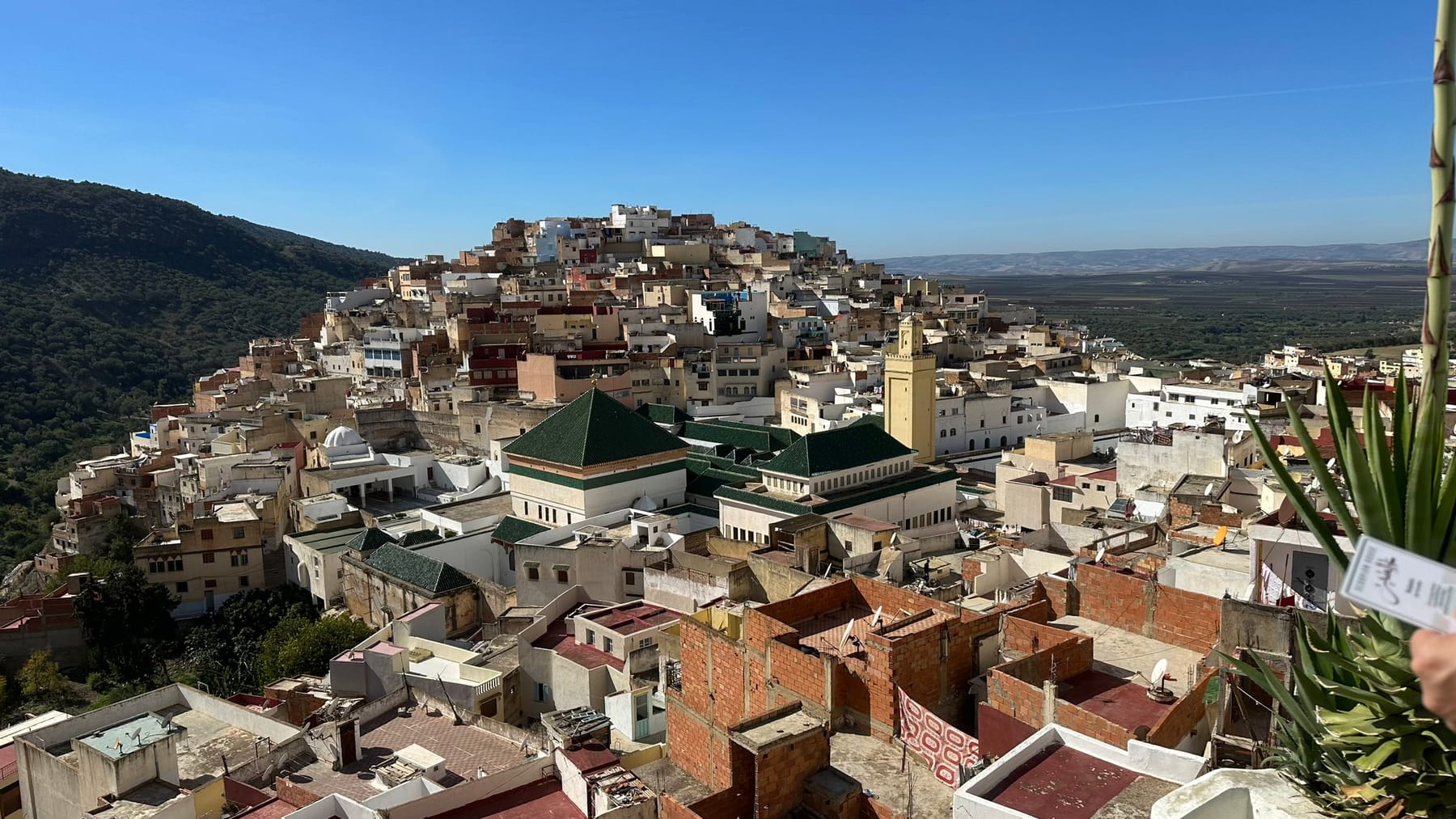
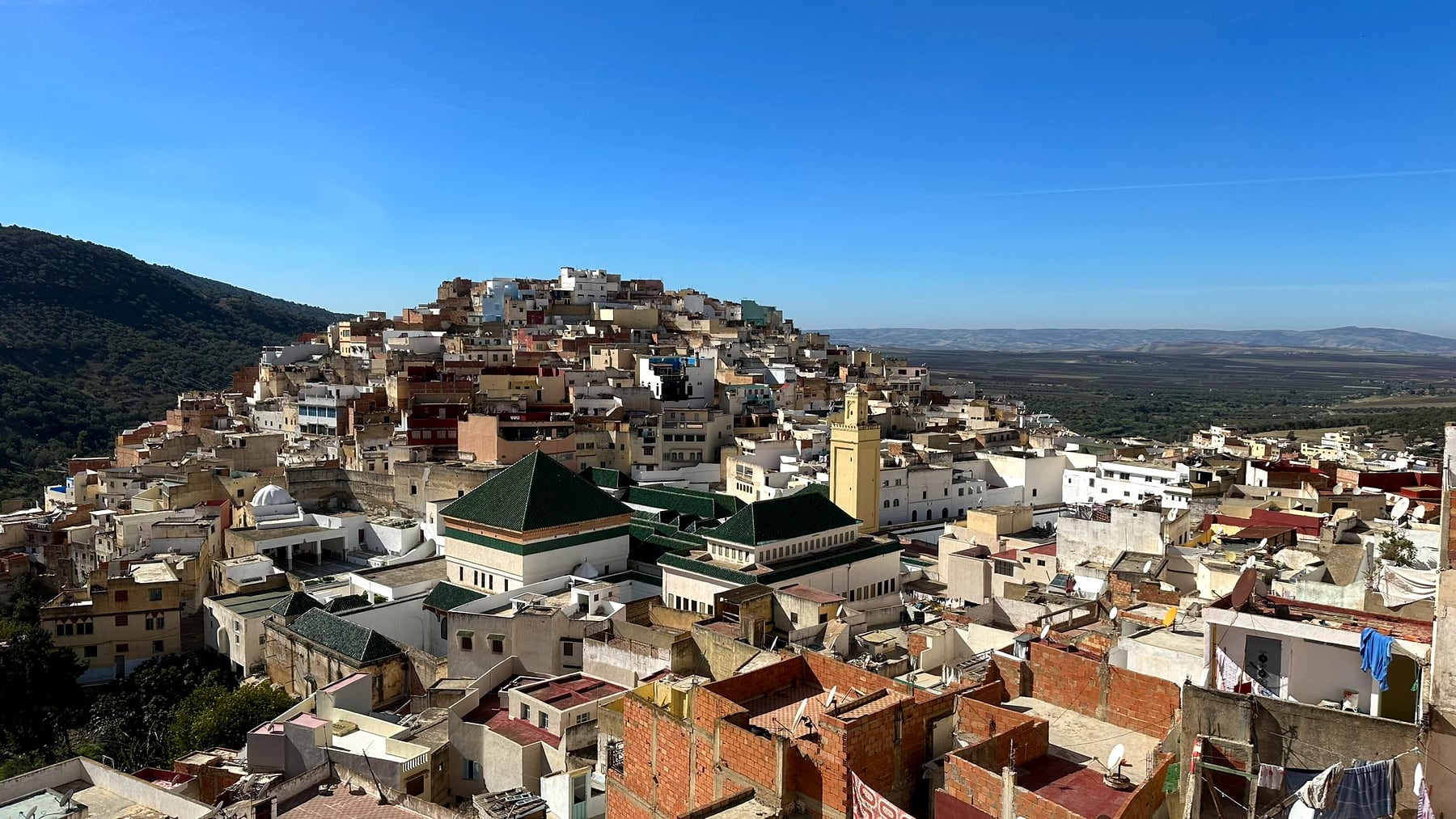
Volubilis is almost always visited together with Moulay Idriss Zerhoun, Morocco's holiest town, which sits just a few minutes' drive away on a hillside overlooking the ruins. The two make a natural half-day pairing on a route between Fes and Chefchaouen, or as a standalone day trip from Fes — Roman history in the morning, a very different kind of Moroccan heritage in the afternoon.